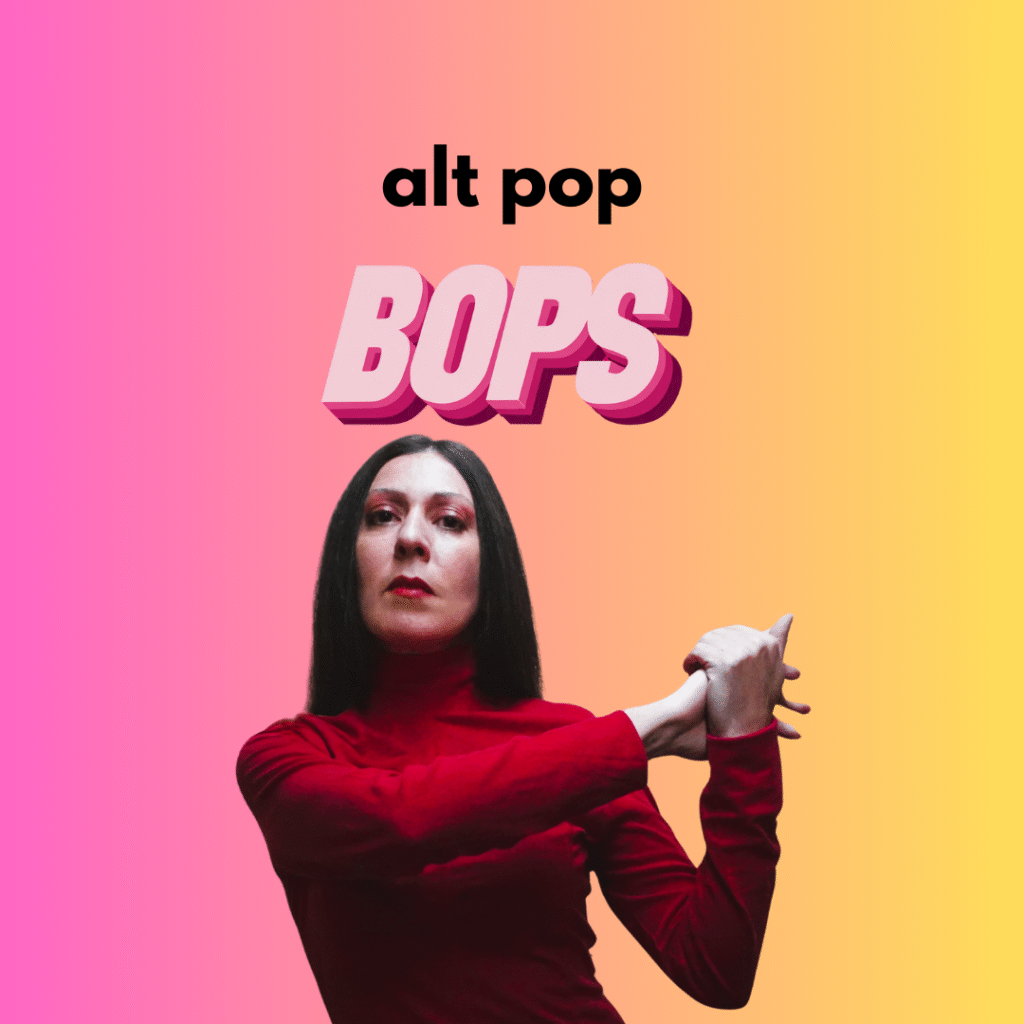
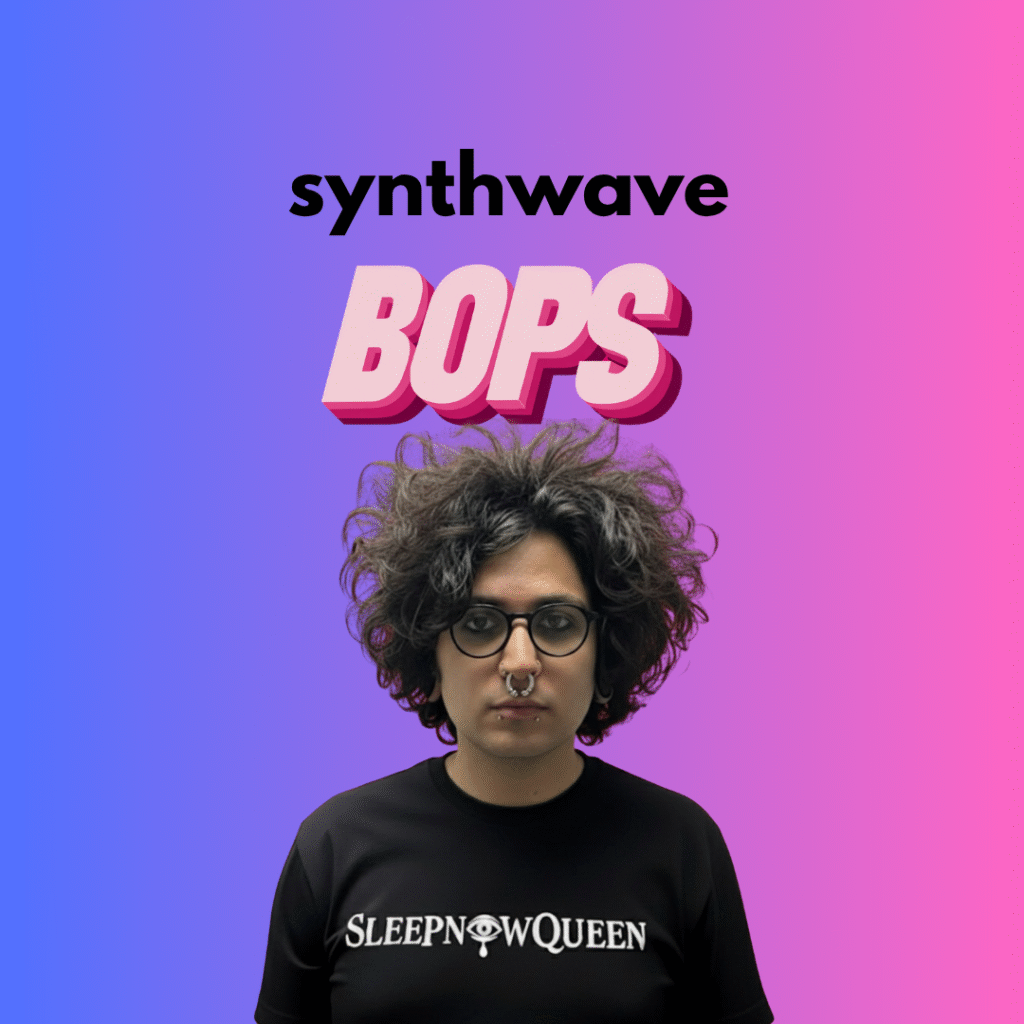
This edition of Alt Pop Bops slips into dark elegance, cinematic tension and intricate emotional storytelling. Today’s pick blends analog warmth with electronic clarity, shaping a world that is both intimate and mythic in tone.
May Rei – Tender Hands
May Rei turns emotional tension into artful alt pop, weaving orchestral drama and electronic depth into a track that feels both vulnerable and commanding.
Italian songwriter, producer and singer May Rei returns with Tender Hands, a stirring and atmospheric single that began from a spontaneous vocal melody and evolved into one of her most evocative works yet. Known for crafting immersive sonic worlds, she builds the track around analog bass, evolving strings, dramatic piano and rhythmic guitar, all carried by a pulsing four-on-the-floor beat. The result is a sound that moves between fragile emotion and propulsive energy, creating a space where intimacy and confrontation coexist.
The song’s narrative roots lie in a reflection on narcissism and emotional emptiness, following a character May Rei calls James, a man convinced he can buy affection while deceiving both others and himself. This emotional weight carries through to the visuals, where May Rei appears in a corridor with a mysterious suitcase, symbolising buried truths and unresolved burdens. Her red dress stands as a powerful gesture, highlighting the track’s deeper themes of respect, awareness and the realities of emotional harm.
With its orchestral flourishes, electronic richness and lyrical bite, Tender Hands marks May Rei as a sharply defined voice in alt pop, continuing to expand her artistry ahead of her next album in 2026.
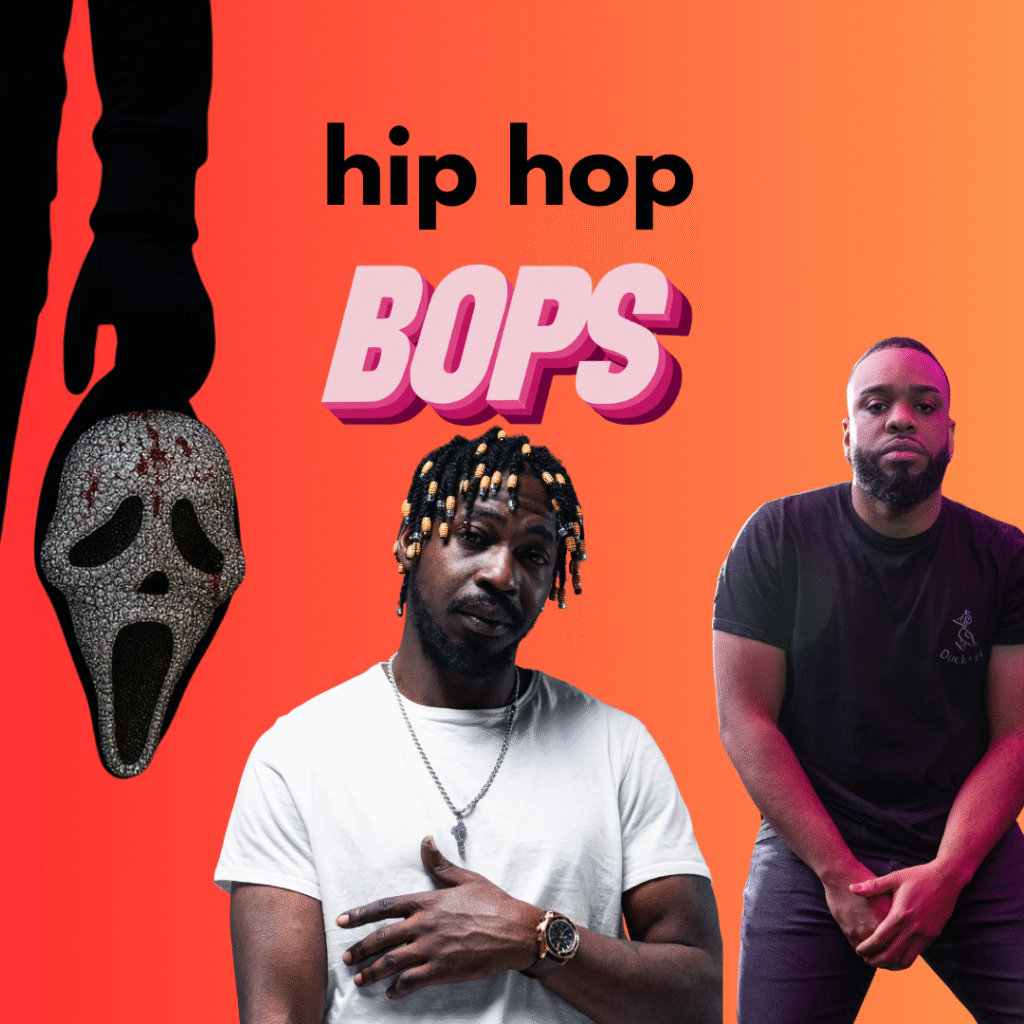
This edition of Hip Hop Bops cuts through raw emotion, cinematic edge and cross-continental vision. From Afro-fusion introspection to Detroit grit and comic-book catharsis, today’s picks highlight three artists shaping hip hop with personality, purpose and fire.
Switch The MC – Smoke & Sex
Switch The MC blends sensuality, introspection and Afro-rap finesse, creating a sound that moves between vulnerability and power with effortless style.
Paris-based rapper Switch The MC returns with Smoke & Sex, the second chapter of his Comme Moi trilogy. It is an EP built on intimate tension, exploring romance, tenderness and confrontation across bilingual flows and Afrobeat-driven production. Raised between Benin, France and the UK, Switch folds together the sharp precision of British grime with the melodic punchlines of French rap, forming a sound that is globally minded and deeply personal.
Produced with Nigerian and Beninese beatmakers, the project embraces organic percussion, warm textures and danceable rhythms. Yet beneath the groove sits emotional honesty, marking this EP as a turning point in the trilogy’s journey from rage to reflection. Smoke & Sex shows an artist expanding his scope while holding tight to cultural heritage and lyrical depth.
A bold and human body of work, it cements Switch The MC as a visionary voice in a widening rap landscape.
Mike Chek – The Ghostface Tape 3
Mike Chek channels horror, hunger and determination into a cinematic project that turns fear into fuel.
Detroit rapper Mike Chek unleashes The Ghostface Tape 3, the latest instalment of his Halloween-themed series. Built on eerie beats, sharp lyricism and a relentless drive, the EP dives into themes of survival, identity and ambition. Tracks like It Ain’t Safe and What Iz You Sayin’ showcase Chek’s signature mix of dark atmosphere and forceful delivery, fusing grit with storytelling.
Recorded, mixed and mastered independently, the project embodies Detroit’s underground spirit. Chek continues to grow his presence across playlists, radio and college stations, staking out a lane defined by intensity and self-made momentum. His quote, “facing your demons and coming out stronger”, sits at the heart of the tape, capturing its blend of aggression and empowerment.
The Ghostface Tape 3 stands as a defining chapter in Mike Chek’s catalogue, asserting resilience as both theme and weapon.
Trav B Ryan – Red Stars
Trav B Ryan turns comic-book mythology into something deeply human, emotional and fiercely personal.
Brooklyn artist Trav B Ryan delivers Red Stars, a powerful video-driven release inspired by his connection to the DC character Red Hood. Recorded at Jambox Studios in New York, the track folds childhood memories, anger and vulnerability into sharp storytelling. His bond with the character, shaped by experiences with his father, fuels the emotional weight behind every line.
The recording process itself became a moment of transformation, even converting the sound engineer into a comic fan. Trav’s partnership with the Inshot video app also positions him uniquely in the hip hop space, making his music accessible for creators royalty-free.
Red Stars shines because it bridges personal pain with universal themes, offering a narrative that resonates far beyond comic culture.
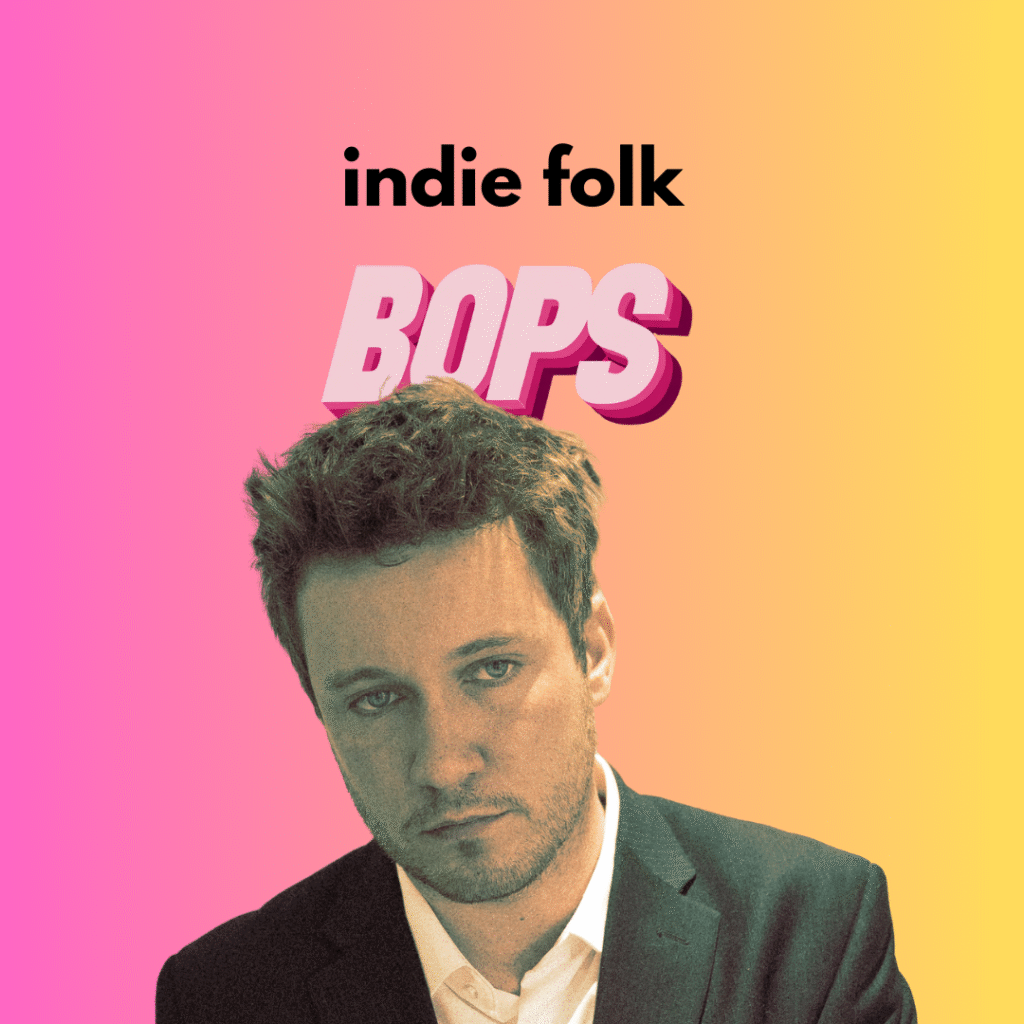
This edition of Indie Folk BOPS drifts into the quiet glow of Boxer, a project shaped by reinvention, reflection, and the soft ache of beginning again. Their new track Capped The Duke is tender, atmospheric, and deeply introspective. It is indie folk that feels lived in, full of small truths, and illuminated by the fragile courage of moving forward.
Boxer – Capped The Duke
“Boxer turns vulnerability into something luminous. Capped The Duke is delicate, raw, and quietly breathtaking.”
Boxer returns with Capped The Duke, a song that captures the hush that follows change. Emerging from the disbandment of Glasgow outfit The Exhales, the track is built on gentle guitar lines, intimate vocals, and an emotional weight that never overwhelms but stays close, like a memory that still matters. It feels quiet, but it speaks loudly.
The project was born from a point of personal reset. After more than twelve years performing in various bands, Boxer sought a sound that was smaller, truer, and more emotionally honest. What emerged sits somewhere between The National, Bon Iver, and Big Thief, blending lyrical vulnerability with warm, melancholic arrangements. It is music for the end of long days, for quiet walks home, for anyone who has ever felt the strange mixture of loss and relief that comes with change.
Developed within a collaborative creative industries program, Boxer’s work carries a sense of collective intention. Musicians, producers, and students came together to explore what it means to build art from the ground up. The result is a project that feels personal but also shared, shaped by open conversations and a commitment to authenticity.
Capped The Duke threads themes of disconnection, reflection, and cautious hope. There is a stillness in the sound that invites listeners inward, creating a space where longing and resilience meet. Boxer writes with a diaristic honesty that lingers long after the song ends.
If you have ever stood at the edge of change, unsure but quietly determined, this track will stay with you.
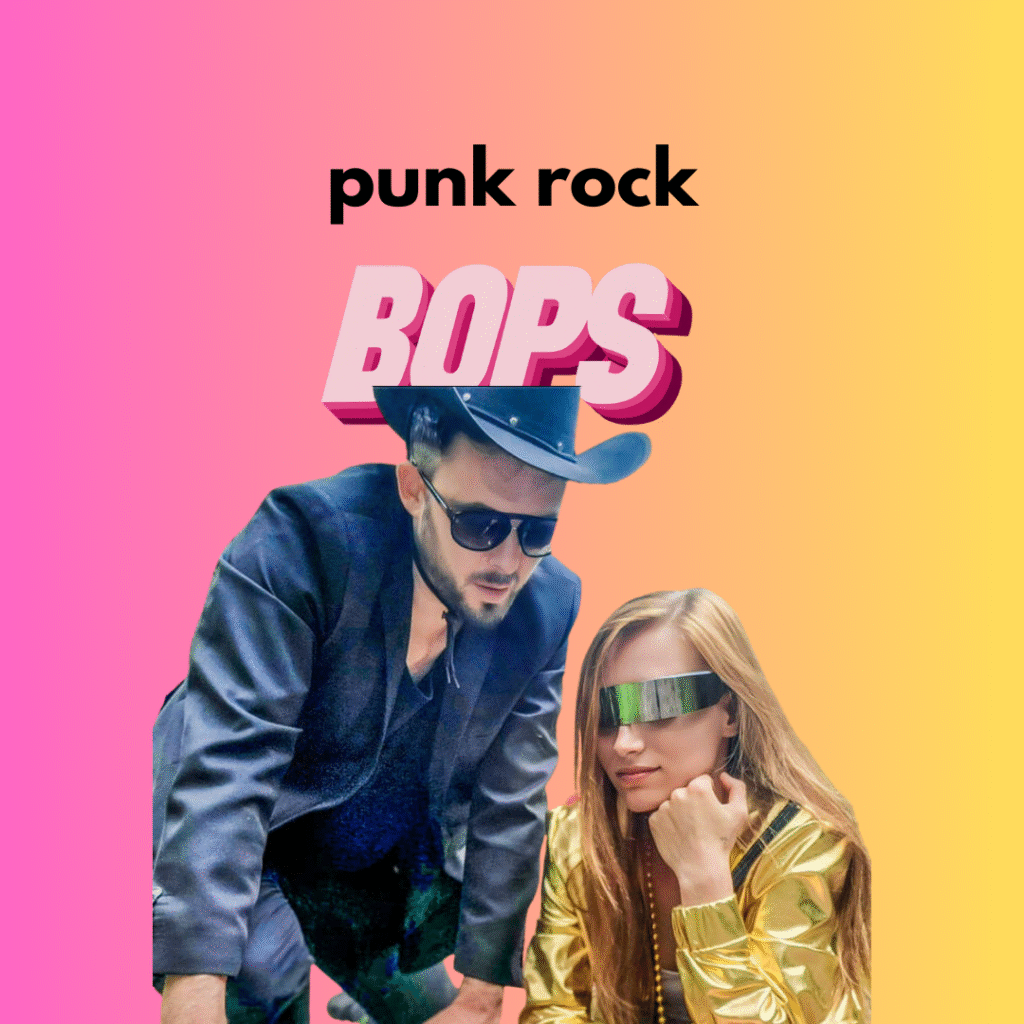
This edition of Punk Rock BOPS dives straight into Rotterdam’s gloriously chaotic underground with The Smackbar, a band who turn trashy garage swagger into something strangely artful and completely irresistible. Their new track Donnie Giovanni is loud, weird, political, and proudly unpolished. It is punk that remembers punk should be fun, furious, and a bit absurd.
The Smackbar – Donnie Giovanni
The Smackbar deliver punk that is wild, fearless, and defiantly original. Donnie Giovanni is the kind of track only The Smackbar could make.”
Rotterdam’s own The Smackbar return with Donnie Giovanni, a frantic burst of garage punk that snarls, grins, and refuses to sit still. Built on a fat, distorted riff and a blitz of chaotic energy, the track arrives alongside a bizarre, anti bullfighting video packed with homemade props, puppets, and offbeat visual madness that has become the group’s signature.
The Smackbar are more than a band. They are a full art collective, working with Eruption Artistique to create dense, visually surreal worlds around their music. Every costume, every prop, every bit of special effects magic is crafted by hand, echoing the band’s DIY ethos. Frontman Emil leads the charge with raw vocals and a charismatic edge while Sara, Rotterdam teacher and alternative songwriter Bas, and the wider creative team push the sound and visuals into new, unpredictable directions.
Donnie Giovanni is one half of a double single the band spent over a year shaping. It is messy in the best way, blending punk ferocity with theatrical flair, giving listeners something that feels both nostalgic and freshly unhinged. If you want punk that still feels dangerous, still feels handmade, and still feels like a group of artists throwing themselves in with absolute conviction, The Smackbar are your band.
This edition of Indie Pop BOPS dives into a bilingual, cross continental spark of colour and emotion. Bettine Solf arrives with a vibrant dose of rhythm and heart, blending Peruvian roots with London edge to create something bold, hypnotic, and unmistakably her own.
Bettine Solf – NN
Bettine Solf turns cross continental tension into indie pop electricity, creating a pulse you feel long after the song ends
Peruvian born and London based artist Bettine Solf Persivale brings a dazzling new moment with NN, an upbeat indie pop track that lives between two worlds and one heart. Blending traditional Peruvian rhythm with modern shimmer, NN pulses with bilingual energy and the unmistakable warmth of Latin pop. It is infectious, bright, and full of emotional movement, exploring the feeling of being pulled between places yet belonging to both.
Written and recorded between Peru and the UK, with production shaped at Abbey Road Institute London, the song turns distance into sound. Vibrant percussion, layered harmonies, and a rhythm that refuses to let go form a track that feels both cinematic and intimate. Bettine’s voice glides across the beat with quiet confidence, grounding the song’s restless spirit in something deeply human.
Bettine’s background in film scoring, performance, and sound engineering gives her music a distinct storytelling quality. Her earlier projects, including Soy Opuesta and Map the Gaps, set the stage for this unique blend of emotional depth and experimental flair. With NN, she leans fully into her hybrid artistic identity, delivering a bilingual indie pop moment that moves with a steady pulse between Lima and London.
This edition of Electronic Bops dives into late-night neon energy and vocal-driven club euphoria. With a magnetic presence on the mic and a modern European dance edge, tonight’s pick brings pure after-hours electricity.
Tom Wills x Sholz-Y – Mid-Night Moves
Tom Wills channels self-expression, chemistry and club-floor adrenaline into a sleek, euphoric anthem built for the small hours.
Manchester artist Tom Wills makes a striking debut under The Dance Division with Mid-Night Moves, a hypnotic electronic release crafted alongside Stockholm producer Sholz-Y. Soulful vocals, deep bass and late-night synths collide to form a track built for that exact moment when the lights drop, the room locks in, and the dance floor becomes its own world.
The single blurs boundaries between techno, house and vocal-driven pop. Tom’s magnetic performance leads the charge, merging Northern attitude with bold, expressive club energy. Sholz-Y’s production brings a polished international edge, fusing melodic textures with driving rhythms and big emotional peaks. It is both atmospheric and immediate: the sort of track that pulls bodies into motion without hesitation.
Already climbing the German Dance-Charts Top 100 and hitting No. 5 on the Commercial House Chart across the GSA region, Mid-Night Moves is gaining serious traction in clubs and radio rotations. The press release highlights its impact across Europe, as well as strong algorithmic momentum on Spotify, reinforcing the track’s undeniable pull.
Tom’s presence is as important as the production. An openly queer vocalist and performer, he brings authenticity, individuality and visibility onto the dance floor. His voice cuts through the mix with soul and clarity, capturing that rush of connection and attraction that defines a true club moment.
With its hypnotic pulse, sleek vocal energy and European club sheen, Mid-Night Moves stands as a confident, modern dance anthem, marking Tom Wills and Sholz-Y as a pairing built for the midnight crowd.
This edition of Rock Bops brings two striking releases shaped by fire, rebirth and raw intensity. From cathartic alternative rock to spiritually charged heaviness, both artists carve powerful spaces in the rock landscape.
Scarlet Joy – The Burning Days
Scarlet Joy turns devastation into defiance, delivering an EP that burns bright with honesty, grit and emotional clarity
Lincoln-based alternative rock artist Scarlet Joy returns with The Burning Days, a bold and deeply personal EP written during the early days of sobriety. The record explores addiction, recovery and self-reclamation, all filtered through a sound that is both vulnerable and forceful. Haunting vocals, driving guitars and a sense of rising from the wreckage define the project’s core.
Recorded at Superfly Studios with Andy Banfield, the EP features Tom Latham on bass and Phil Wilson on drums, grounding the songs in a dynamic, instinctive energy. Influences like PJ Harvey, QOTSA and Nine Inch Nails echo through the textures, but Scarlet Joy’s voice is unmistakably her own. Each track feels like a moment of reckoning, a reminder that healing often begins at the edge of collapse.
The Burning Days stands as a cathartic, defiant body of work that transforms past pain into a blazing, empowering force.
Piranha Piranha – Fire Eye
Piranha Piranha ignite a spiritual storm, fusing explosive rock energy with themes of awakening and truth.
Akron duo Piranha Piranha make a striking debut with Fire Eye, a single inspired by a transformative Ayahuasca journey in Costa Rica. The song dives into spiritual awakening, consciousness and the unveiling of truth, shaping heavy rock with a transcendent edge.
The track opens with a match strike that triggers a fuse and a live-recorded explosion. The band captured everything by hand, from firecrackers in a parking lot to the final mortar blast that kicks the song into motion. This attention to authenticity gives Fire Eye a visceral punch. The riff, first written on a drone flute beneath a tree, evolved into its current driving form, retaining its meditative roots while surging with new power.
With its blend of force, message and boundary-pushing production, Fire Eye marks Piranha Piranha as a new rock act ready to make a meaningful impact.
This edition of singer-songwriter BOPS centres on intimate storytelling and sharply drawn character work. With rich craftsmanship and a lifetime of musical experience behind it, this track offers thoughtful reflection wrapped in classic songwriting.
John Michael Hersey – Democracy
John Michael Hersey brings a storyteller’s depth to Democracy, shaping a song that feels lived in, compassionate and quietly cinematic
Veteran songwriter John Michael Hersey returns with Democracy, a track from his latest album of the same name. Set against the backdrop of a dive bar on election night, the song echoes the themes of the full project, capturing ordinary people watching history unfold on a glowing television. Their worries, hopes and private struggles create a human counterpoint to the larger moment. Hersey’s writing turns these scenes into something tender and reflective.
Across twenty-one albums, Hersey has developed a distinctive blend of rock, pop, folk, blues and country. That fusion is alive here. Democracy moves with a gentle rhythmic pulse, grounded by warm piano and unhurried guitar lines that support his clear, expressive vocal. His lyrics are thoughtful and precise, written with the care of someone who has spent a lifetime telling stories on stage and on record.
Critics have long praised his craft. Songweb described his previous album as “a masterclass in storytelling, soul and sonic craftsmanship,” while Pitch Perfect highlighted his combination of strong songwriting, Elton-like piano sensibility and Knopfler-styled guitar work. That same musical maturity threads through Democracy, giving the track both weight and ease.
The single reinforces Hersey’s reputation as a seasoned writer who captures everyday emotion with depth and clarity. Democracy is warm, observant and quietly powerful, the work of an artist still pushing forward after decades of creation.
Follow singer-songwriter BOPS to hear more great artists
This edition of Synthwave Bops dives into neon-lit nostalgia and uplifting electronic edge. With its blend of 80s atmosphere and modern emotional clarity, this track channels both retro mystery and a message built for today.
SLEEPNOWQUEEN – PUSH
SLEEPNOWQUEEN lifts a classic 80s mood into something hopeful, creating a track that glows with resilience and quiet determination.
Kansas City solo artist SLEEPNOWQUEEN returns with PUSH, a synth-driven single shaped by the shadowy charm of 1980s darkwave and the emotional realities of the present moment. Written during a turbulent period in the United States, the song carries a strong central message: keep moving forward, even when the world feels heavy.
Recorded at Uptown Productions, the track comes alive through its immersive production choices. SLEEPNOWQUEEN leaned fully into the mood of the song, allowing the beat and the atmosphere to guide the writing. That approach gives PUSH a unique energy. It feels lived-in, almost cinematic, with its pulsing low end, glowing synth textures and a vocal delivery that blends urgency with warmth.
The artist’s influences can be heard in the details. Fans of The Cure, darkwave’s moody synth palette, and retro alt-pop will find a lot to love here. Yet PUSH stands apart through its lyrical focus. It is an encouragement anthem built from a place of real experience, urging listeners not to lose hope. As the artist puts it, when life gets hard, no matter what, you have to continue to PUSH.
This release marks another step in SLEEPNOWQUEEN’s rise, showing a project rooted in nostalgia but driven by a forward-looking spirit.
This edition of Indie Pop Bops leans into late night reflection and tender emotional honesty. With dreamy textures and a bedroom-pop hush, this track captures the fragile space between memory and heartbreak.
Fir the Band – Twin Bed
Fir the Band hold onto the small emotional details, turning the closeness of a twin bed into something raw, nostalgic and beautifully human.
Edinburgh trio Fir the Band return with Twin Bed, a delicate indie pop cut built around hazy guitars, warm texture and soft but emotionally clear storytelling. Written in their flat while talking through old breakups and the nerves that come with looking ahead, the song captures the strange pull between what once was and what still lingers.
They built the early version at a desk in their guitarist’s bedroom, before finishing it in a small Leith studio. That closeness bleeds into the song itself. The arrangement is intimate, gently layered, and full of tiny production choices that let the lyrics breathe. It feels handmade in the best way, equal parts vulnerable and quietly confident.
Fir the Band’s style sits somewhere between bedroom pop and cinematic indie daydream. Their influences, from Clairo to Holly Humberstone and Wallows, can be heard in the mellow grooves and emotional openness, but Twin Bed stands on its own. It is personal, imperfect and quietly powerful, the kind of track that feels tailor made for late night drives and private reflection.
Twin Bed marks another strong step in the band’s evolution, showing how their DIY charm can support deeper storytelling and a richer emotional palette.